Choose a camera
Match motion, light, workflow and budget before comparing bodies.
Guides & Knowledge
Practical frameworks for cameras, audio, drones and creator workflows—built from real production, not generic spec-sheet advice.
Start with your problem
Choose the decision you need to make. Each path connects practical knowledge with the field tests behind it.
Match motion, light, workflow and budget before comparing bodies.
Environment, placement and backup matter more than the badge.
Plan for wind, light, safety and a shot that serves the story.
Reduce friction with a setup that fits the work you actually make.
Featured knowledge
Short frameworks for the decision, followed by real footage and tests for the proof.
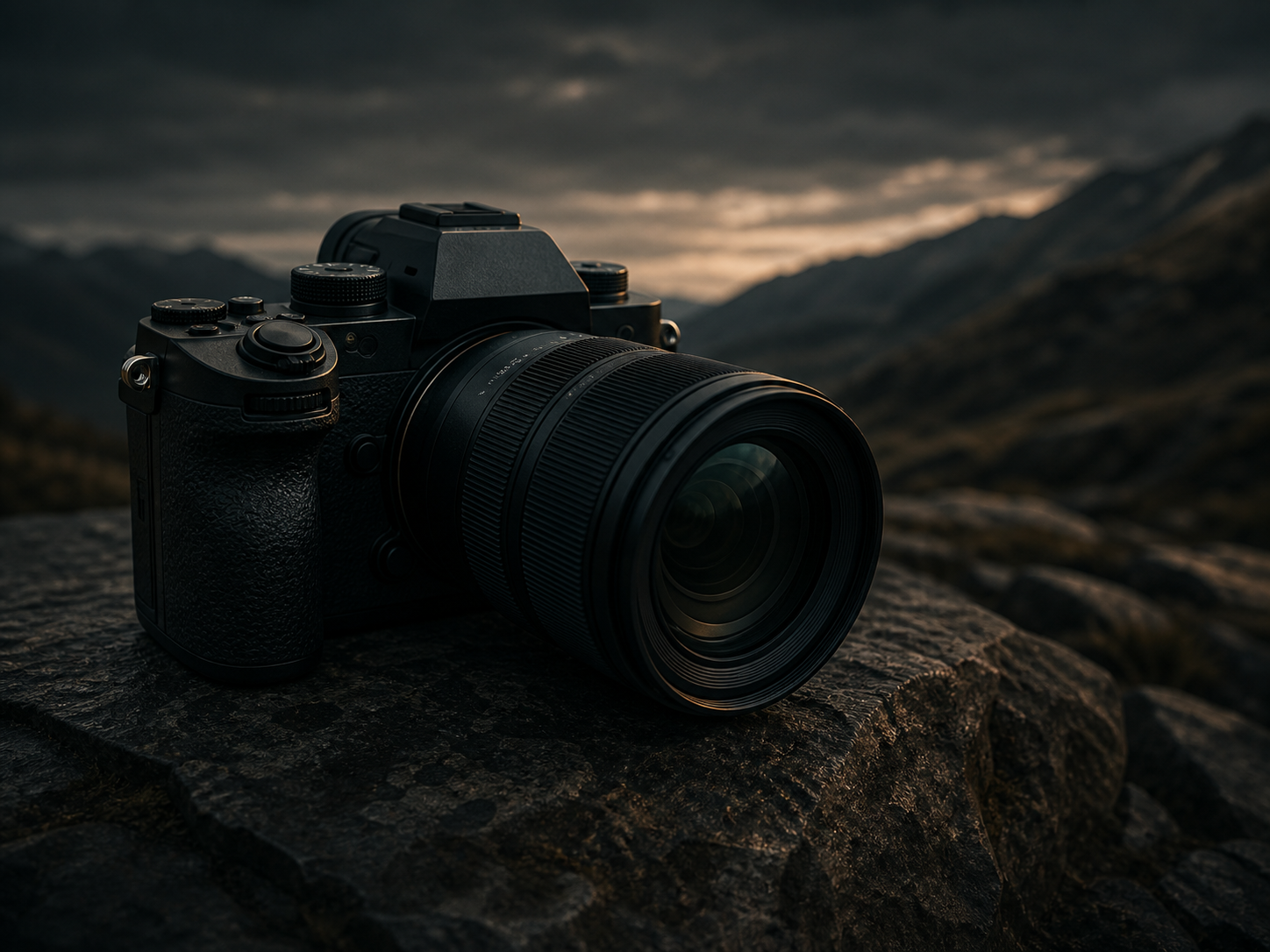
Camera decision guide
Start with movement, available light, audio needs and delivery speed. Resolution comes later.
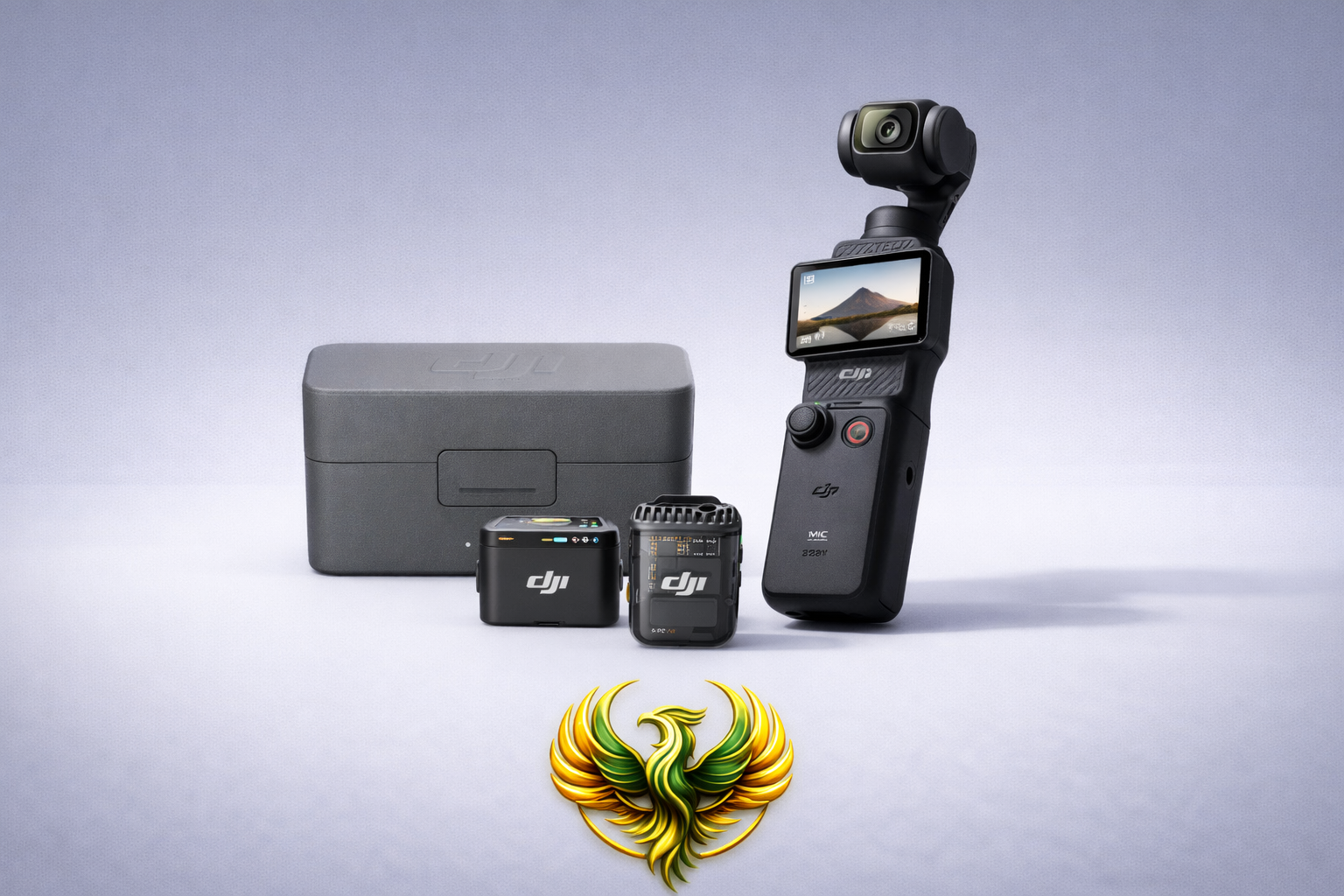
Audio
Control distance, environment and redundancy.
Framework 01 · Camera
The best camera is not the one with the longest specification list. It is the one you can operate quickly, carry consistently and trust in your normal conditions.
Decision time: 10 minutes
01
Static interviews, handheld walking, running tests and cinematic work demand different stabilization and autofocus priorities.
02
Daylight travel content and controlled interiors need less low-light headroom than events, streets and evening production.
03
Media, batteries, lenses, audio adapters, editing load and carrying weight belong in the real price.
Framework 02 · Audio
Most bad audio is a distance or environment problem. A more expensive microphone cannot recover a source recorded too far away in the wrong place.
Use before every shoot
01
Reduce the distance between voice and microphone before changing gain, processing or equipment.
02
Wind protection, soft surfaces and orientation often create a bigger improvement than changing microphone models.
03
Internal safety tracks or a second source protect the one thing that cannot be recreated after the shoot.
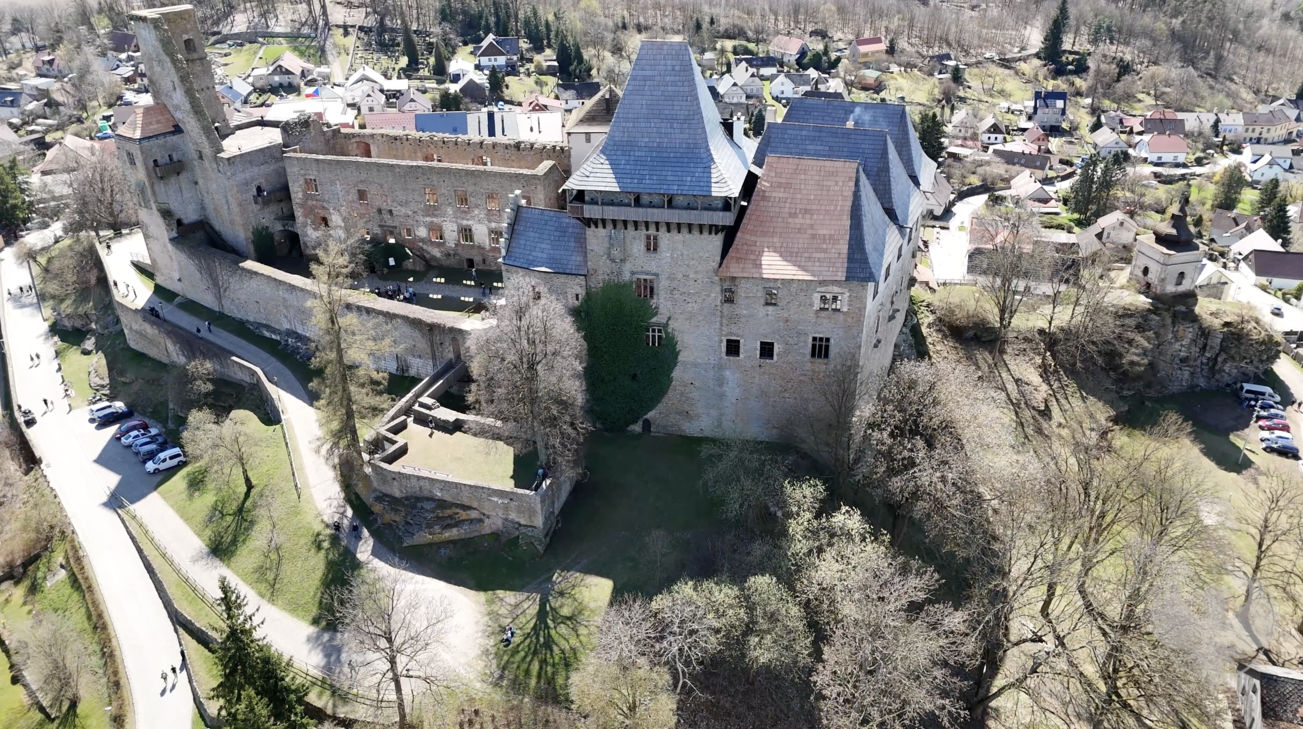
Framework 03 · Drone
A technically perfect aerial shot still fails when it has no narrative purpose. Decide what the location needs to reveal, then choose movement and settings.
Field checklist
01
Wind, visibility, light direction, people and legal constraints determine whether the shot is safe and useful.
02
Reveal scale, establish geography or follow movement. One clear purpose prevents random flying.
03
Hold the beginning and end, move smoothly and capture an alternative so the sequence can breathe.
Knowledge backed by evidence
Every principle should survive real conditions. When it does not, the framework changes—not the evidence.
3Core frameworks
100%Real workflow
0Empty advice
See the proof
Continue into the field reviews and compare the evidence for yourself.